

The Rise of Climate-Resilient Homes
A New Era of Home Buying
The real estate landscape is experiencing a seismic shift as climate consciousness moves from a luxury consideration to an absolute necessity. In August 2025, homebuyers and investors are no longer simply asking about square footage and school districts—they’re demanding information about flood zones, wildfire risk, heat resilience, and energy efficiency. This transformation represents one of the most significant changes in property valuation criteria in modern history.
Recent data shows that homes with climate-resilient features are commanding premium prices, with some markets seeing increases of 10-15% over comparable non-resilient properties. Meanwhile, homes in high-risk areas without protective measures are experiencing value stagnation or even depreciation. Understanding this paradigm shift isn’t just about making smart investments—it’s about protecting your financial future.
Understanding Climate Risk in Real Estate
The New Reality of Property Risk Assessment
Traditional real estate risk assessment focused primarily on crime rates, school quality, and economic indicators. Today’s sophisticated buyers and lenders are incorporating environmental risk scores into their decision-making process. FEMA flood maps, wildfire risk zones, heat island effects, and sea-level rise projections have become standard elements of due diligence.
Insurance companies are leading this transformation by adjusting premiums dramatically or even withdrawing coverage from high-risk areas. In coastal Florida, California wildfire zones, and flood-prone regions across the Midwest, insurance costs have tripled or quadrupled in just five years. Some properties have become effectively uninsurable through traditional channels, forcing owners into high-risk state pools with astronomical premiums.
Geographic Hotspots and Cold Spots
The climate resilience conversation varies dramatically by region. Coastal markets from Miami to Charleston are grappling with king tide flooding and hurricane intensification. Western states face unprecedented wildfire seasons and prolonged drought. The Southwest confronts extreme heat that makes outdoor activities dangerous for months each year. Even traditionally “safe” regions in the Midwest are experiencing more frequent severe storms and flooding events.
Conversely, some markets are emerging as climate havens. Cities in the Great Lakes region, parts of the Pacific Northwest, and select mountain communities are seeing increased interest from climate migrants—people relocating specifically to avoid environmental risks. This migration pattern is creating new real estate opportunities and challenges.
Features That Define Climate-Resilient Properties
Water Management and Flood Protection
Modern climate-resilient homes incorporate sophisticated water management systems. This includes elevated foundations that raise living spaces above projected flood levels, advanced drainage systems with French drains and retention basins, and permeable hardscaping that allows water infiltration rather than runoff.
Smart homeowners are installing sump pumps with battery backup, backwater valves to prevent sewage backflow during flooding, and landscaping designed to direct water away from structures. In coastal areas, properties with seawalls, bulkheads, or natural dune protection are commanding significant premiums.
Fire-Resistant Construction
In wildfire-prone regions, fire-resistant features have become non-negotiable. This includes Class A fire-rated roofing materials like metal or tile, tempered or multi-pane windows that resist heat, fiber cement or stucco siding, and enclosed eaves that prevent ember infiltration.
Defensible space—the area around a home cleared of flammable vegetation—has become a critical property feature. Homes with professionally maintained defensible space zones extending 100 feet or more are significantly more insurable and valuable. Some communities now require these features for new construction or major renovations.
Energy Efficiency and Power Independence
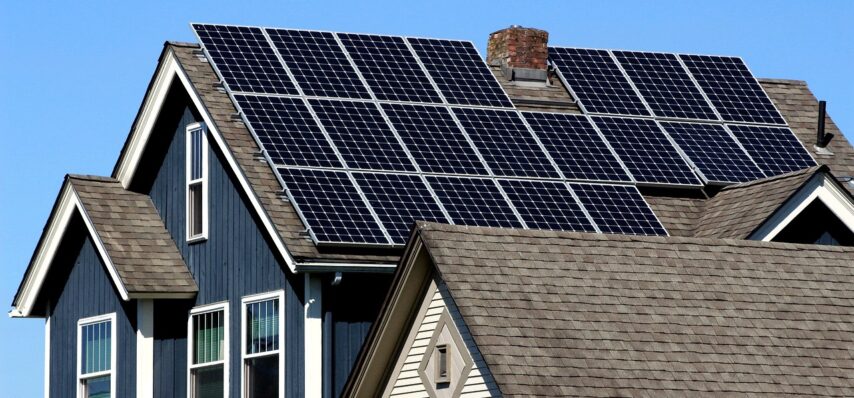
As extreme weather events cause more frequent power outages, energy independence has shifted from an environmental preference to a practical necessity. Solar panels paired with battery storage systems allow homes to maintain power during grid failures. Modern battery systems can power essential home functions for days or even weeks.
Energy-efficient construction reduces both environmental impact and operating costs. High-performance insulation, energy-efficient HVAC systems, LED lighting, and Energy Star appliances can reduce utility costs by 40-60% compared to traditional homes. In markets with high electricity costs or unreliable grids, these features significantly boost property values.
Cooling and Heat Management
Extreme heat is becoming a critical concern even in traditionally temperate climates. Climate-resilient homes incorporate passive cooling strategies like strategic window placement, overhangs that block summer sun while allowing winter warmth, and reflective “cool roof” materials that reduce heat absorption.
Advanced HVAC systems with zone control, smart thermostats, and high-efficiency heat pumps maintain comfort while minimizing energy consumption. Some cutting-edge homes incorporate geothermal heating and cooling systems that leverage stable underground temperatures for year-round climate control.
The Financial Case for Climate Resilience
Premium Pricing and Faster Sales
Market data consistently shows that climate-resilient homes sell faster and command higher prices. A comprehensive study of coastal markets found that flood-resilient properties sold for an average of 7% more than comparable homes without protective features. In wildfire zones, fire-resistant construction can add 10-12% to property values.
Beyond sale price, resilient homes spend less time on market. In high-risk areas, non-resilient properties often languish while buyers quickly snatch up protected homes. This liquidity advantage becomes crucial when market conditions tighten.
Insurance Savings and Availability
Perhaps the most immediate financial benefit of climate resilience is insurance cost reduction. Homes with flood-resistant features can see FEMA flood insurance premiums reduced by 30-50%. Fire-resistant construction in wildfire zones can cut homeowner’s insurance costs by 20-40% or more.
More importantly, resilient features ensure continued insurance availability. As major insurers retreat from high-risk markets, homes with protective features remain insurable through traditional channels at reasonable rates. This insurability becomes a critical factor in property marketability and mortgage qualification.
Long-Term Value Protection
Climate change represents a long-term trend that will continue reshaping property values for decades. Homes without resilient features in high-risk areas face the prospect of declining values as risks become more apparent and insurance more difficult to obtain. Early adopters of resilient features are positioning their properties for long-term value appreciation.
The alternative—reactive adaptation after disasters strike—is far more expensive than proactive resilience. Retrofitting a home after flood damage or fire destruction costs 3-5 times more than building in protective features initially.
Retrofitting Existing Homes for Resilience
Assessment and Prioritization
Homeowners looking to increase climate resilience should begin with a comprehensive risk assessment. Professional environmental risk evaluations identify specific vulnerabilities based on location, construction, and local climate trends. This assessment guides prioritization of improvements based on risk severity and cost-effectiveness.
Many regions now offer free or subsidized home resilience assessments through local government programs or utility companies. These assessments provide actionable recommendations tailored to specific properties and budgets.
High-Impact Improvements
Certain retrofits deliver outsized benefits relative to their cost. In flood-prone areas, installing backwater valves, improving drainage, and elevating critical systems like HVAC and electrical panels provide significant protection for modest investment. Sealing crawl spaces and installing sump pumps represent additional high-value improvements.
For wildfire protection, replacing wood shake roofs with fire-resistant materials, clearing vegetation in defensible space zones, and installing ember-resistant vents deliver major risk reduction. Double-pane windows with tempered glass and non-combustible decking materials represent moderate investments with substantial benefits.
Solar and Battery Systems
Solar panel installation with battery backup has become one of the most popular resilience improvements. Federal tax credits covering 30% of installation costs make solar financially attractive even before considering resilience benefits. Modern battery systems provide true energy independence, maintaining power during grid failures that increasingly accompany severe weather events.
The economics of solar continue improving as panel costs decrease and utility rates rise. In many markets, solar systems now achieve payback in 6-8 years while providing 25+ years of benefit. The addition of resilience value and insurance benefits can shorten payback periods further.
Market Trends and Future Outlook
Lending and Appraisal Changes
The mortgage industry is rapidly incorporating climate risk into lending decisions. Freddie Mac and Fannie Mae are developing climate risk assessment tools that will influence loan approvals and terms. Properties in high-risk areas without resilient features may face higher interest rates, larger down payment requirements, or loan denial.
Appraisers are being trained to evaluate climate-resilient features and incorporate them into property valuations. This formalization of resilience value in the appraisal process will further incentivize protective improvements and widen the value gap between resilient and non-resilient properties.
Government Incentives and Requirements
Federal, state, and local governments are implementing policies that promote climate resilience. Tax credits, rebates, and low-interest loans help offset the cost of resilient improvements. Some jurisdictions are implementing disclosure requirements that force sellers to reveal climate risks and resilient features to buyers.
Building codes are evolving to mandate resilient features in new construction and major renovations. These requirements vary by jurisdiction but typically address the dominant local risks—flood protection in coastal areas, fire resistance in wildfire zones, wind resistance in hurricane-prone regions.
The Insurance Crisis Driving Change
The insurance availability crisis may be the most powerful force driving climate resilience adoption. As major insurers exit high-risk markets, remaining coverage options become prohibitively expensive or require specific resilient features. This insurance reality is forcing homeowners and builders to prioritize resilience simply to maintain insurability.
Forward-thinking insurers are offering premium discounts and coverage guarantees for homes meeting resilience standards. These programs create powerful financial incentives for protective improvements while helping insurers manage risk exposure.
Regional Strategies for Climate Resilience
Coastal Properties: Water and Wind
Coastal homeowners face the combined challenges of flooding, storm surge, and high winds. Resilience strategies emphasize elevated construction, storm shutters or impact-resistant windows, reinforced roofing, and flood-resistant materials for ground-level spaces. Living spaces placed on upper floors with ground-level garages and storage reduce exposure to flood damage.
Coastal landscaping should incorporate native, salt-tolerant plants that require minimal irrigation and resist storm damage. Natural features like dunes and wetlands provide valuable storm protection and should be preserved or enhanced.
Wildfire Zones: Fire Resistance and Defensible Space
In wildfire-prone areas, the emphasis shifts to fire-resistant materials and defensible space maintenance. Metal or tile roofing, fiber cement siding, tempered windows, and enclosed eaves create a protective envelope. Regular vegetation management in zones extending 100 feet from structures dramatically reduces ignition risk.
Home hardening—upgrading vulnerable elements like vents, eaves, and decking—represents the most cost-effective wildfire protection. Combined with defensible space, these measures can allow homes to survive wildfires that destroy neighboring properties.
Drought-Prone Regions: Water Conservation and Heat Management
Desert and drought-prone markets prioritize water conservation and extreme heat management. Xeriscaping with native plants, drip irrigation systems, and rainwater harvesting reduce water consumption. Cool roofs, strategic shading, and high-efficiency cooling systems manage heat while minimizing energy costs.
Indoor water conservation features like low-flow fixtures and efficient appliances reduce utility costs and environmental impact. Some properties incorporate greywater systems that recycle water from sinks and showers for landscape irrigation.
Flood-Prone Inland Areas: Elevation and Drainage
Inland flooding from rivers and extreme rainfall events affects properties far from coasts. Resilience strategies focus on elevation, drainage, and flood-resistant materials. Raised foundations, French drains, rain gardens, and permeable paving manage water effectively.
Basement waterproofing, sump pump systems with battery backup, and elevation of mechanical systems protect against damage. These improvements often qualify for significant flood insurance premium reductions.
Working with Professionals
Finding Climate-Resilient Properties
Real estate agents specializing in climate resilience can identify properties with protective features and assess risks in target neighborhoods. These specialists understand local environmental challenges and can guide buyers toward resilient options.
Due diligence for climate-conscious buyers should include environmental site assessments, insurance quote comparisons, and review of historical weather events affecting the property. Many buyers now hire separate climate risk consultants to evaluate properties before purchase.
Building or Renovating for Resilience
Architects and builders experienced in climate-resilient construction understand how to incorporate protective features cost-effectively. Green building certifications like LEED, Passive House, and Fortified Home provide frameworks for resilient construction.
Energy auditors and resilience consultants can assess existing homes and recommend improvements prioritized by cost-effectiveness and risk reduction. Many utilities offer free or subsidized audits that identify efficiency and resilience opportunities.
Conclusion: Resilience as Investment Strategy
Climate resilience has evolved from an environmental consideration to a core investment strategy. Properties with protective features command premium prices, sell faster, cost less to insure, and face superior long-term value prospects. Meanwhile, homes without resilient features in high-risk areas face increasing challenges with insurance, financing, and marketability.
The most successful real estate investors and homeowners are incorporating climate resilience into every property decision. Whether buying, selling, building, or renovating, climate considerations now rank alongside traditional factors like location, size, and condition.
The transition to climate-conscious real estate is accelerating. Early adopters of resilient features are positioning themselves for significant financial advantages as the market fully prices climate risks. The question is no longer whether climate resilience matters—it’s how quickly property owners will adapt to this new reality.
Connect with Dwellopolis
Ready to find a climate-resilient home that protects your investment and your family? Dwellopolis specializes in helping buyers identify properties with the features that matter most in today’s changing climate. Our team understands environmental risks, resilient features, and market trends across all property types and price points.
Whether you’re searching for your dream home, selling a property, or exploring investment opportunities, Dwellopolis provides the expertise you need to navigate today’s complex real estate market. Contact us today to schedule a consultation and discover how climate resilience can enhance your real estate strategy.
Resources
- Federal Emergency Management Agency (FEMA) – https://www.fema.gov
- Energy Star Program – https://www.energystar.gov
- National Association of Realtors – https://www.nar.realtor
- Insurance Information Institute – https://www.iii.org
- U.S. Green Building Council – https://www.usgbc.org
- National Oceanic and Atmospheric Administration (NOAA) – https://www.noaa.gov
- Department of Energy – https://www.energy.gov
- Climate Central – https://www.climatecentral.org